The Importance of Music Education in Early Childhood Development
Music has always been a universal language that transcends age, gender, and culture. It has the power to evoke emotions, create connections, and express thoughts and feelings that sometimes words cannot. But did you know that music can also greatly impact a child’s early development? Yes, from infants to preschoolers, music education plays a crucial role in shaping their minds and personalities. In this article, we will delve deeper into the importance of music education in early childhood development and how it benefits our young ones in more ways than one.
Enhances Brain Development
It was found that babies begin to respond to music even before they are born. Studies have shown that when pregnant women listen to music, their babies in the womb move to the rhythm and recognize familiar melodies after birth. This proves that music has a significant impact on brain development, especially during the early years of a child’s life.
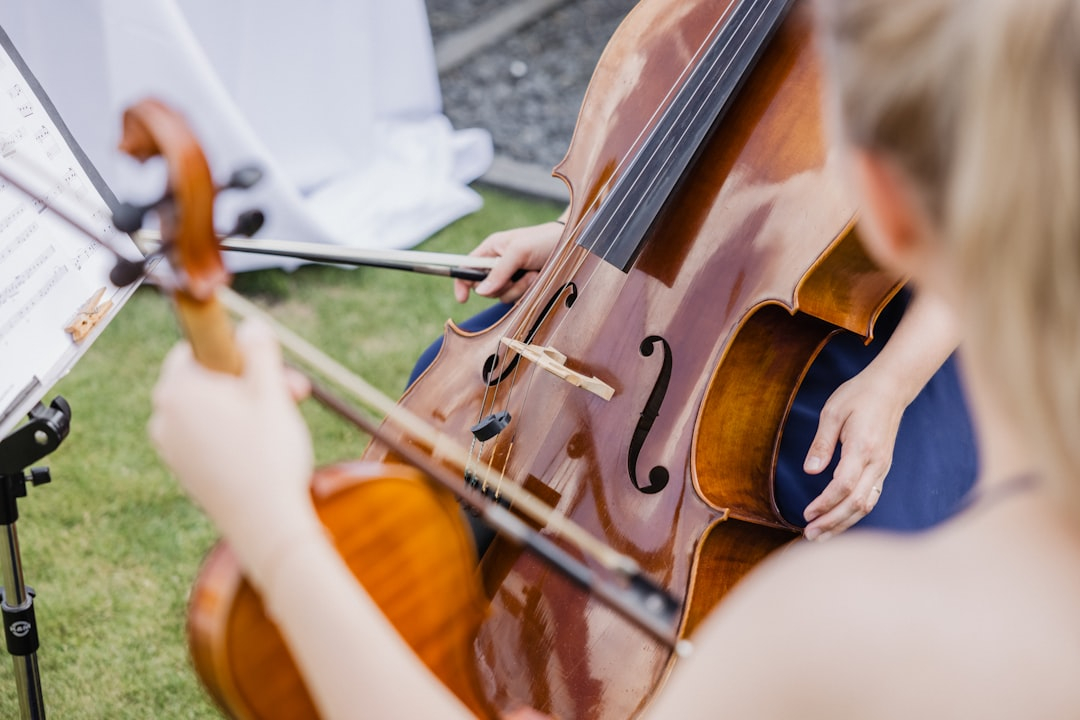
During this stage, the brain is at its most impressionable state, and music can aid in developing various cognitive skills such as memory, attention, pattern recognition, and problem-solving. Learning to play an instrument or sing along to songs activates both sides of the brain, strengthening the connections between brain cells and promoting neuroplasticity – the brain’s ability to rewire and adapt to new information.
Encourages Social and Emotional Development
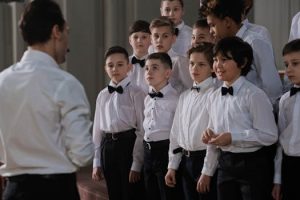
One of the primary focuses of early childhood education is developing social and emotional skills. And music is a powerful tool that can help in this aspect. Playing musical instruments in groups or singing together promotes teamwork, cooperation, and communication among young learners. These activities also create a sense of community and belonging, boosting self-esteem and confidence in children
Moreover, music ignites emotions and helps children express their feelings. It is a non-verbal form of communication that can be used to express happiness, sadness, anger, or fear. By listening to different types of music, children learn to recognize and understand various emotions, thus improving their emotional intelligence.
Improves Language and Literacy
Music and language share a strong connection. Children exposed to music before the age of seven have a better grasp of language and are more likely to excel in reading and writing. Singing songs and listening to music with lyrics help in developing vocabulary, sentence structure, and pronunciation. Children also learn to identify and differentiate between different sounds, improving their phonemic awareness – a crucial skill for reading.
Furthermore, as children learn to play musical instruments, they train their brains to process and respond to multiple tasks simultaneously. This enhances their ability to multitask, leading to improved performance in language and literacy activities.
Fosters Creativity and Imagination
Music education is not just about learning a new skill or instrument; it is also about nurturing creativity and imagination in children. When children are encouraged to explore and create music, they develop a sense of freedom, experimentation, and self-expression. This allows them to think outside the box, come up with new ideas, and express themselves in unique ways.
Moreover, music stimulates the brain’s creative regions, enhancing children’s ability to think creatively and solve problems creatively. These skills are essential for future success as they enable children to approach tasks and challenges with an open mind and find innovative solutions.
Conclusion
The importance of music education in early childhood development cannot be overstated. It is a fun, engaging, and effective way to enhance brain development, promote social and emotional skills, improve language and literacy, and foster creativity and imagination in children. Whether it’s through singing, dancing, or playing instruments, music has a significant impact on young minds and should be an integral part of every child’s early education.
So, let us not underestimate the power of music and give our children the gift of music education – a precious gift that will last a lifetime.