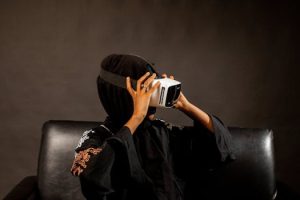
The Future of Live Shows: Holographic Performances and Immersion
The world of live shows and performances has always been an ever-evolving one. From theatrical plays to concerts, people have always looked for new and innovative ways to experience and be a part of live entertainment. And in recent years, a new type of live performance has been gaining popularity – holographic performances. This futuristic technology has the potential to revolutionize the way we experience live shows, taking it to the next level of immersion. In this article, we will explore the potential of holographic performances and how they could shape the future of live shows.
The Rise of Holographic Performances
The concept of holograms has been around for quite some time, but it was only in recent years that it made its way into the world of live performances. The first notable example was when a hologram of deceased rapper Tupac Shakur made an appearance at the 2012 Coachella music festival, alongside Snoop Dogg and Dr. Dre. The response was overwhelmingly positive, and it opened up the possibilities of using holograms as performers in live shows.
Since then, we have seen more and more artists utilizing this technology in their performances. From holographic versions of legendary musicians like Michael Jackson and Roy Orbison to virtual characters like Hatsune Miku, the possibilities are endless. And with advancements in technology, holographic performances are becoming more lifelike and realistic, blurring the lines between what is real and what is not.
The Immersive Experience
One of the major reasons for the popularity of holographic performances is the immersive experience they offer. Unlike traditional live shows where the audience is physically present at the venue, holographic performances allow people from all over the world to be a part of the show. This means that whether you are sitting in the front row or watching from your home, the experience will be the same.
Moreover, holographic performances have the potential to create an otherworldly experience, transporting the audience to a different time and space. By projecting the performers in 3D, it gives the illusion of them being present on stage, interacting with the audience and each other, making the audience feel like they are a part of the show.
The Future of Live Shows
With the rise of holographic performances, the future of live shows looks exciting and promising. Imagine being able to attend a concert of your favorite musician, even though they are no longer alive or unable to perform. Or experiencing a theatrical play with virtual characters that seem as real as the actors on stage. The possibilities are endless, and with advancements in technology, holographic performances will only get better and more realistic in the future.
Additionally, as we saw with the Tupac hologram at Coachella, holographic performances also have the potential to bring back artists who are no longer with us. This has a great emotional impact on the audience, and it allows them to relive the magic of the performer’s music and legacy.
The Challenges Ahead
While the potential of holographic performances is immense, there are still some challenges that need to be addressed. The technology behind this type of performance is still in its early stages, and it can be expensive and time-consuming to create these holograms. Additionally, there are concerns about the ethical implications of using holograms of deceased artists and the impact it may have on the legacy of their work.
Another challenge is the issue of live interaction. As advanced as the technology may be, it still cannot replicate the spontaneity and improvisation of a live performance. This means that the performers in holographic shows are essentially performing a pre-recorded show, which may lack the energy and connection with the audience that a live performance provides.
The Final Verdict
The rise of holographic performances and immersion has the potential to change the landscape of live shows and performances. It offers a unique and futuristic experience for the audience, and it opens up new possibilities for artists and creators. However, like any new technology, there are still some challenges to be addressed, and it remains to be seen how it will evolve and shape the future of live shows.
In Conclusion
Holographic performances and immersion are an exciting glimpse into the future of live shows. It has the potential to offer a one-of-a-kind experience for the audience, and it opens up new avenues for artists and creators. While there are still some challenges that need to be addressed, the possibilities are endless, and we can only imagine what the future holds for holographic performances.