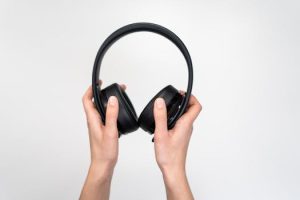
The Evolution of Music Consumption: From Vinyl to Streaming
When it comes to music consumption, technology has significantly transformed the way we listen to our favorite tunes. Gone are the days of vinyl and cassette tapes, as we now have access to an endless library of songs at our fingertips through streaming services. Over the years, the evolution of music consumption has not only shaped the way we listen to music, but also the music industry as a whole. In this article, we will take a closer look at the different stages of music consumption and how it has changed over time.
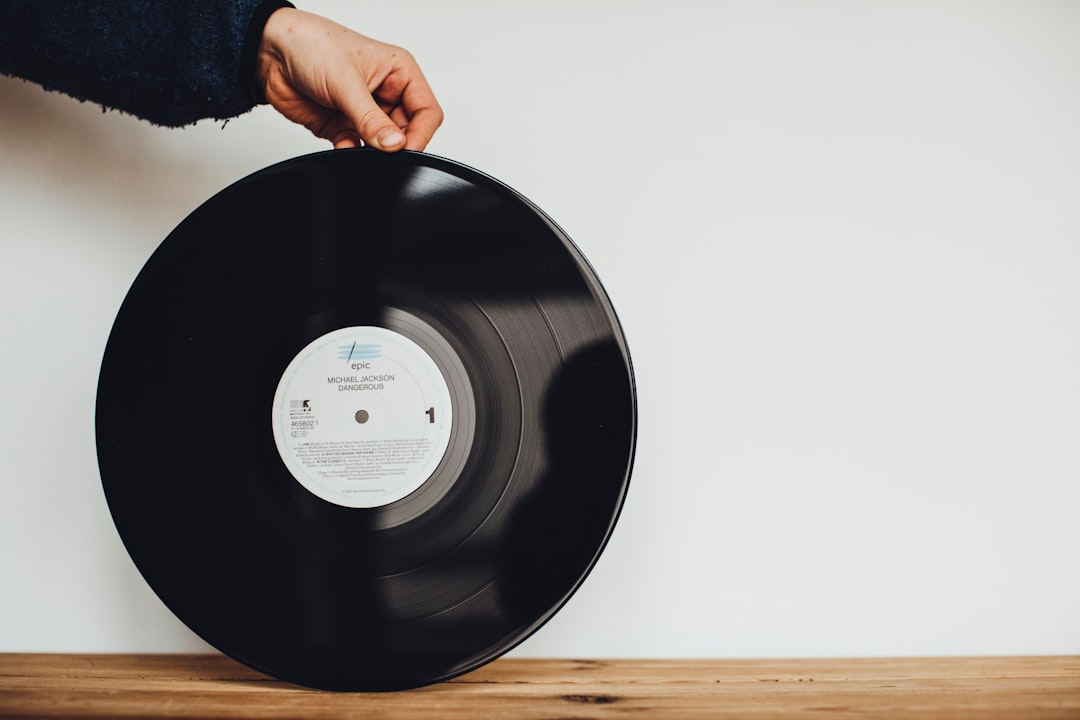
The Rise of Vinyl Records
In the early 1900s, music lovers would flock to record stores to purchase vinyl records, also known as phonograph records. These records were flat discs made from polyvinyl chloride (PVC) that contained grooves which represented the sound waves of the music. They were played on a vinyl record player, also known as a phonograph, which used a needle to read the grooves and produce sound. The popularity of vinyl records peaked in the 1960s and 1970s, where it was the primary medium for music consumption.
The Era of Cassette Tapes
In the 1980s, the introduction of cassette tapes brought about a new era of music consumption. These compact and portable tapes were smaller than vinyl records and allowed users to easily listen to music on the go, using a cassette player. Unlike vinyl records, cassette tapes were also rewritable, making it easier for people to create mixtapes and personalized playlists. However, the quality of sound on cassette tapes was not as good as vinyl records, which led to its decline in popularity in the late 1990s.
The Digital Revolution: CDs and MP3s
The 1990s saw the rise of the compact disc (CD), which quickly became the new standard for music consumption. CDs were seen as a major upgrade from cassette tapes, offering better sound quality and more storage space. CDs were also the first form of digital music, utilizing lasers to read the data encoded on the disc. This paved the way for the digital revolution of music consumption, as CDs could easily be ripped and converted into digital files, such as MP3s.
The Birth of Napster and Online Music Piracy
In the late 1990s and early 2000s, peer-to-peer (P2P) file sharing services, such as Napster, emerged, allowing users to easily download music for free. This led to a rise in online music piracy, as people were able to access and download copyrighted music without paying for it. While this may have been convenient for consumers, it had a major impact on the music industry, causing a decline in record sales and revenue.
The Era of Online Streaming
The rise of online streaming services, such as Spotify and Apple Music, has revolutionized the way we consume music. With the advent of high-speed internet, users now have access to an extensive library of songs, without the need to physically own a copy. This has made it easier for people to discover new music, as well as access their favorite songs on various devices. Streaming services also offer personalized playlists and recommendations based on user’s listening habits, making it a more personalized experience.
Impact on the Music Industry
While online streaming has made it easier for consumers to access music, it has also had a major impact on the music industry. With the decline of physical sales and the rise of online piracy, artists now heavily rely on streaming services for revenue. However, the revenue generated from streaming services is significantly lower compared to physical sales or digital downloads. This has led to artists voicing their concerns about fair compensation for their work.
The Future of Music Consumption
It’s clear that technology has drastically changed the way we consume music, and the future of music consumption is constantly evolving. With the rise of virtual and augmented reality, it is possible that music may be experienced in a whole new way in the near future. It is also possible that new technologies and platforms may emerge, further revolutionizing the music industry.
In Conclusion
From vinyl records to streaming services, the evolution of music consumption has come a long way. As technology continues to advance, it will be interesting to see how future developments will shape the way we listen to music. While some may argue that the digital age has had a negative impact on the music industry, it has also opened up new opportunities for artists and listeners alike. So crank up your favorite playlist and enjoy the endless possibilities of music consumption in the digital era.