The Hidden Costs of Eating Out Versus Cooking at Home
In a world of busy schedules and on-the-go lifestyles, it’s no surprise that eating out has become a popular option for many individuals and families. With an endless array of restaurants and fast food options to choose from, it’s easy to see why the convenience and allure of eating out can be so enticing. However, what many people fail to consider are the hidden costs that come with dining out versus cooking at home. Whether it’s for budgeting purposes or health concerns, it’s important to understand the impact that dining out can have on our wallets and overall well-being.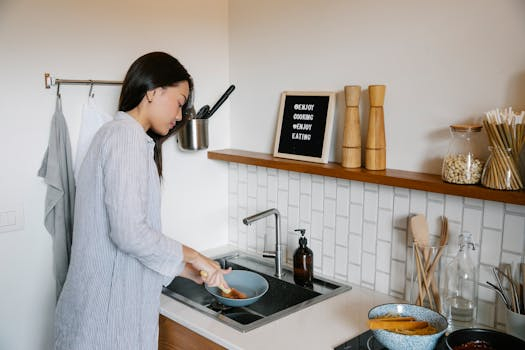
The Financial Cost of Dining Out
One of the most obvious hidden costs of eating out is the financial impact it can have on our bank accounts. While it may seem like a quick and affordable option in the moment, the cost of eating out can quickly add up, especially if it becomes a regular habit. According to a survey conducted by the USDA, the average American household spends around $3,000 on dining out each year. This money could be put towards other expenses or saved for the future, yet many people don’t realize just how much they’re spending on eating out until it’s too late.
The Expense of Convenience
One of the main reasons people often choose to eat out is for the convenience factor. With busy work schedules and limited time, it can be hard to find the time and energy to cook a homemade meal every day. However, convenience comes at a cost. The price of eating out can be significantly higher than cooking at home, as restaurants need to cover expenses such as rent, employee wages, and overhead costs. This means that even a simple salad or sandwich can end up costing more than if you were to make it yourself at home.
The Sneaky Addition of Extras
When dining out, it’s not just the main meal that can add up; it’s also the additional costs that come with it. Drinks, appetizers, and desserts can quickly increase the total bill, as well as any added fees such as taxes and tips. These costs can easily go unnoticed and add up over time, especially when dining out frequently.
The Health Consequences of Dining Out
Aside from the financial impact, there are also health consequences to consider when it comes to dining out versus cooking at home. In today’s fast-paced society, it’s no surprise that our eating habits have shifted towards convenience and speed, often resulting in unhealthy food choices. Many restaurant meals are loaded with high levels of sodium, unhealthy fats, and processed ingredients, which can have a negative impact on our overall health and well-being.
The Lack of Control Over Ingredients
When cooking at home, you have full control over the ingredients that go into your meals. You can choose to use fresh and healthy ingredients, and limit the amount of unhealthy additives such as salt and sugar. However, when dining out, you have no control over what goes into your meal. Many restaurants use pre-packaged and processed ingredients, which can significantly increase the calorie and fat content of a dish without you even realizing it.
The Temptation of Oversized Portions
Another health consequence of dining out is the temptation of oversized portions. Many restaurants offer large portions, which can lead to overeating without even realizing it. This can result in consuming more calories than necessary, leading to weight gain and potential health problems down the line.
The Benefits of Cooking at Home
While it may seem like a hassle, cooking at home can have numerous benefits that outweigh the convenience of dining out. Not only is it a more financially responsible option, but it also allows for healthier and more customizable meals.
The Positive Impact on Budget and Savings
By cooking at home, you have full control over your food budget. You can plan meals in advance, create shopping lists, and avoid unnecessary impulse purchases. This can result in significant savings over time, allowing you to put money towards other expenses or save for the future.
The Ability to Make Health-Conscious Choices
When you cook at home, you have the freedom to choose the ingredients and cooking methods that align with your health goals. This can lead to meals that are not only healthier but also more flavorful, as you have control over the seasonings and cooking techniques. Plus, cooking at home allows for portion control, making it easier to maintain a healthy weight and diet.
In conclusion, the hidden costs of eating out versus cooking at home go beyond just the financial impact. While dining out may seem like a convenient and quick option, it’s important to consider the potential consequences on both our wallets and our health. By making a conscious effort to cook at home more often, we can not only save money but also make healthier and more nourishing food choices for ourselves and our families.