Protecting Your Family: Essential Tips for Kitchen Sanitation
Welcome to the heart of your home – the kitchen. This is where some of life’s most cherished moments take place, from preparing meals together to hosting memorable family gatherings. However, it’s also where some of the greatest risks to your family’s health exist if proper sanitation practices are not in place. With foodborne illnesses on the rise, it’s more crucial than ever to prioritize kitchen sanitation to protect your loved ones. In this article, we’ll explore the essential tips for kitchen sanitation that will keep your family safe and healthy. 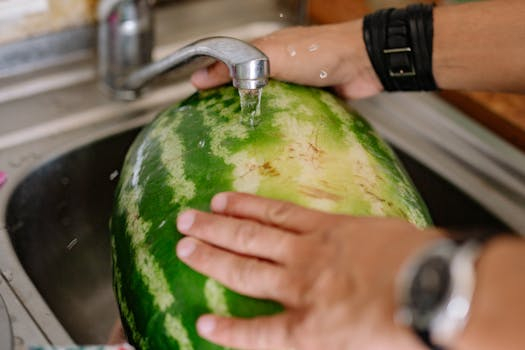
Understanding the Importance of Kitchen Sanitation
Did you know that the kitchen is considered one of the dirtiest places in the home? In fact, according to a study by the National Sanitation Foundation, the kitchen contains more bacteria than any other room, including the bathroom. This should come as no surprise considering the amount of cooking, cleaning, and food preparation that takes place in this space. However, with the right knowledge and habits, you can ensure that your kitchen is a clean and safe environment for your family.
The Basics of Kitchen Sanitation
Wash Your Hands
The simplest and most effective way to prevent the spread of germs in the kitchen begins with something as basic as washing your hands. Before and after handling raw meats, fruits, and vegetables, be sure to thoroughly wash your hands with soap and warm water for at least 20 seconds. This will remove any potential harmful bacteria and prevent cross-contamination of other foods.
Clean and Sanitize Kitchen Surfaces
It’s important to regularly clean and sanitize all surfaces in your kitchen, including countertops, cutting boards, and utensils. Start by wiping down surfaces with hot, soapy water followed by a disinfectant spray or solution. Be sure to pay extra attention to areas where food particles may have accumulated, such as in between tiles on the countertops or in the crevices of cutting boards.
Practice Safe Food Storage
Proper food storage is essential for maintaining a clean and sanitary kitchen. The refrigerator should be set to below 40°F to prevent harmful bacteria from growing on perishable foods. Make sure to store raw meats on the bottom shelf to prevent any juices from dripping onto other foods. It’s also important to regularly clean out the refrigerator, disposing of any expired or spoiled food.
Avoid Cross-Contamination
One of the biggest risks in the kitchen is cross-contamination, which occurs when harmful bacteria from one food item is transferred to another. To prevent this from happening, be sure to use separate cutting boards and utensils for raw meats and other foods. It’s also important to thoroughly clean and disinfect any surfaces or utensils that may have come into contact with raw meats before using them for other foods.
The Role of Personal Hygiene
Wear Proper Attire
When working in the kitchen, it’s important to wear the appropriate attire to prevent the spread of germs. This includes using an apron and hairnet or hat to cover any loose hair. Avoid wearing jewelry, as it can easily harbor bacteria and be transferred to food.
Take Care of your Dishcloths and Sponges
Dishcloths and sponges are prime breeding grounds for bacteria if not properly cared for. Be sure to wash dishcloths after each use and replace sponges regularly. If using a dishcloth to clean up after handling raw meats, be sure to immediately throw it in the wash or use a disposable paper towel.
Incorporating Good Habits into Your Routine
Wash Fruits and Vegetables
Even though fresh fruits and vegetables are considered healthy, they can also harbor harmful bacteria if not properly washed. Before eating or cooking with fresh produce, be sure to thoroughly wash them with running water to remove any dirt, pesticides, or bacteria.
Regularly Change Dish Towels and Hand Towels
Dish towels and hand towels can easily spread bacteria if not regularly changed and washed. Make it a habit to change out these towels at least every two to three days and always use separate towels for hands and dishes to avoid cross-contamination.
Stay on Top of Your Kitchen Cleaning
Creating a regular cleaning routine for your kitchen is key to maintaining a healthy and sanitary space. Make sure to regularly clean and disinfect all surfaces, appliances, and utensils. It’s also important to properly store and dispose of any leftover food to prevent the growth of harmful bacteria.
Conclusion
Kitchen sanitation is a critical aspect of protecting your family’s health and well-being. By following these essential tips and incorporating good habits into your daily routine, you can ensure that your kitchen remains a clean and safe environment for you and your loved ones. Remember, proper sanitation practices in the kitchen not only prevent the spread of illness but also promote a healthier lifestyle for your family. So, let’s get started on keeping our kitchens clean and protecting our families!