The Significance of Fashion in Portraying Gender Roles
When it comes to fashion, many people think of it as a means of self-expression, a way to showcase one’s personal style and preferences. However, fashion goes beyond just aesthetics and plays a significant role in portraying gender roles in society. Fashion has always been used as a tool to convey messages, and throughout history, it has been closely tied to gender identity and societal norms. In this article, we will delve deeper into the significance of fashion in portraying gender roles and how it continues to shape our perceptions and beliefs about gender in the modern world.
The Influence of Fashion on Gender Roles
Fashion has long been associated with gender identity and has been used as a way to distinguish or conform to traditional gender roles. From ancient times to modern-day, the style of clothing has been heavily influenced by societal expectations of what is considered masculine or feminine. For example, throughout history, men have been expected to wear suits, while women were confined to wearing dresses and skirts. These traditional gender norms have been ingrained in our minds, and fashion has been a powerful tool in reinforcing these beliefs.
The Gender Binary in Fashion
Fashion has always operated within the gender binary, with clothing options and styles being divided into “male” and “female” categories. This binary reinforces the idea that there are only two distinct genders, and anything outside of this is seen as abnormal or deviant. For instance, the concept of men wearing skirts or makeup is still met with resistance and criticism, as it goes against the traditional gender roles that have been assigned to them.
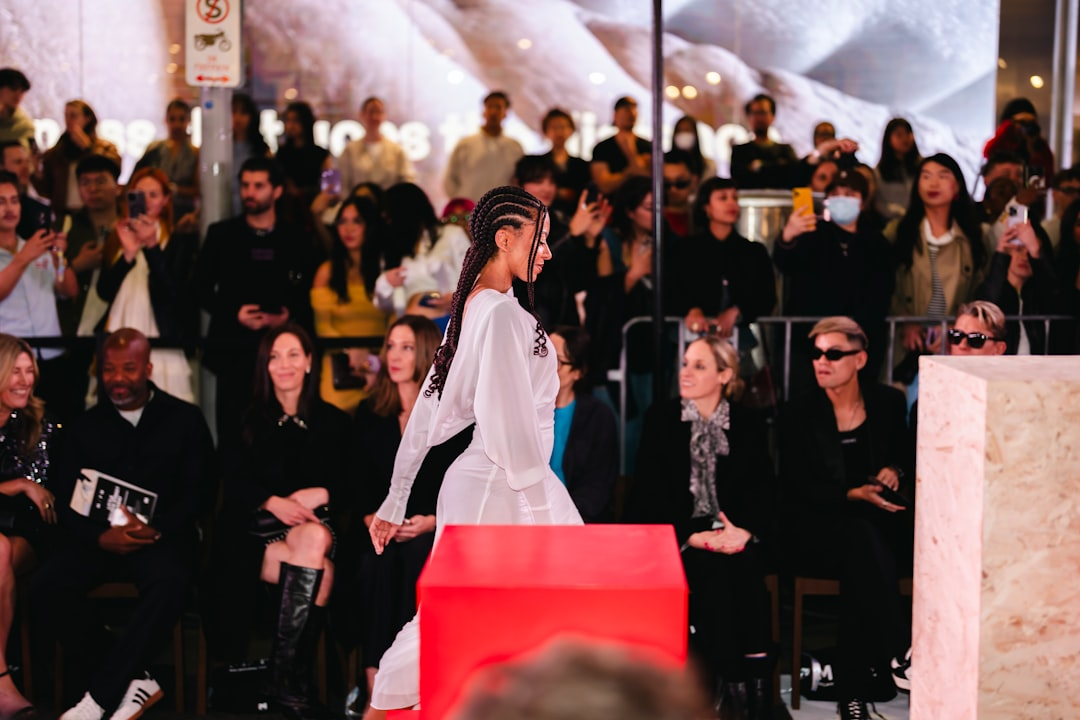
Moreover, the fashion industry has been guilty of perpetuating this binary and promoting unrealistic beauty standards, particularly for women. The representation of thin, tall, and conventionally attractive models on the runway and in fashion magazines sends a message that to be considered beautiful, one must conform to a narrow set of standards. This not only perpetuates damaging gender stereotypes but also creates a toxic culture that affects people of all genders.
The Shift Towards Gender-Neutral Fashion
Thankfully, in recent years, there has been a shift towards gender-neutral fashion, with designers challenging traditional gender norms and stereotypes. The rise of androgynous fashion has opened up a whole new world of possibilities, allowing individuals to express themselves freely without conforming to societal expectations. Unisex clothing has become increasingly popular, blurring the lines between what is considered masculine and feminine.
Brands such as Zara, Gucci, and H&M have launched gender-neutral clothing lines, making it easier for people to shop for clothing that reflects their personal style rather than their gender. This shift towards inclusivity and diversity in fashion is a step in the right direction, breaking down the rigid gender roles that have been imposed on us for so long.
The Impact of Fashion on Body Image and Self-Esteem
The influence of fashion on gender roles goes beyond just clothing styles and preferences. It also has a significant impact on body image and self-esteem, particularly for women. Society has long equated femininity with being thin and beautiful, leading to harmful and unrealistic beauty standards that are nearly impossible to achieve for most women. This has resulted in a toxic culture of body shaming and low self-esteem, where people are constantly trying to meet these unrealistic standards set by the fashion industry.
However, with the rise of the body positivity movement, there has been a shift towards embracing all body types and sizes. More and more brands are starting to feature diverse body types in their campaigns and clothing options, promoting self-love and acceptance. This change in the fashion industry has had a positive impact on body image, with people feeling more confident and comfortable in their own skin.
The Role of Fashion in Challenging Gender Norms
Fashion has always been a reflection of our society, and as our perceptions and understanding of gender continue to evolve, so does the fashion industry. Designers are now incorporating elements of gender fluidity, showcasing that fashion has no boundaries and can be used to challenge traditional gender norms.
Moreover, the rise of genderqueer and non-binary individuals has sparked a movement towards creating clothing that is not limited by gender. This has resulted in a more inclusive and diverse fashion industry that is breaking down the long-standing gender stereotypes that have been ingrained in our society.
The Significance of Fashion in Portraying Gender Roles
In conclusion, fashion goes beyond just being a means of self-expression; it is a powerful tool in portraying gender roles in society. The traditional gender binary that has been ingrained in our minds for centuries is slowly being challenged, with fashion playing a significant role in breaking down these stereotypes. The shift towards inclusivity and diversity in the fashion industry is a step towards a more accepting and equal society, where one’s fashion choices are not limited by their gender. As we continue to progress and evolve, it is crucial to remember that fashion has the power to shape our perceptions and beliefs about gender, and it is up to us to ensure that it is used in a positive and inclusive manner.