The Importance of Ethical Sourcing for Accessories and Jewelry
The world of fashion continues to evolve, constantly introducing new trends and styles. Accessories and jewelry, in particular, have become staples in many people’s wardrobes, serving as ways to express one’s personal style and add the perfect finishing touch to any outfit. However, in the pursuit of keeping up with ever-changing fashion, the impact of sourcing these accessories and jewelry is often overlooked. The truth is, the journey of these products from creation to your hand has a significant impact on not only the environment but also the lives of those involved. This is where ethical sourcing comes into play, highlighting the importance of responsible and sustainable practices in the accessory and jewelry industry. Let’s dive deeper into why ethical sourcing is crucial for these seemingly small yet impactful items.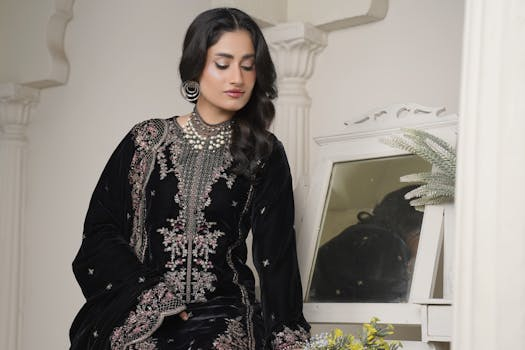
The Environmental Impact
Producing accessories and jewelry requires various materials, including metals, gemstones, and natural fibers. Unfortunately, the methods used to extract these materials often result in environmental degradation. For instance, mining for precious metals and gemstones can lead to deforestation, depletion of natural resources, and water pollution. Additionally, the production process involves the use of harmful chemicals, resulting in air, water, and soil pollution. As consumers, it is our responsibility to ensure that the products we purchase do not contribute to these negative effects on the environment.
The Concept of Sustainable Fashion
The fashion industry, including accessories and jewelry, is one of the most polluting industries in the world. The concept of sustainable fashion aims to reduce this environmental impact by promoting responsible practices throughout the supply chain. This includes ethical sourcing of materials, using eco-friendly and renewable resources, reducing waste, and using sustainable production methods. Many fashion brands are now adopting this concept, and as consumers, we can support them by choosing to purchase items that align with our values and are produced with the environment in mind.
The Importance of Fair Labor Practices
Aside from the environmental impact, the production of accessories and jewelry also has social implications. In many countries, workers in the fashion industry, including those involved in creating accessories and jewelry, are subjected to poor working conditions and unfair labor practices. This includes long working hours, low wages, and no access to basic human rights. By supporting brands that ethically source their materials and have fair labor practices in place, we can help improve the lives of these workers and promote a more equitable fashion industry.
The Role of Ethical Certifications
With the rise of consumer awareness, more and more brands are now obtaining ethical certifications. These certifications serve as a guarantee that the products have been produced in an ethical and sustainable manner. They also provide transparency and accountability from the brand, allowing consumers to make informed choices. Look out for certifications such as Fairtrade, GOTS (Global Organic Textile Standard), and Responsible Jewellery Council when purchasing accessories and jewelry.
The Long-Term Impact
Opting for ethically sourced accessories and jewelry may seem like a small action, but it has significant long-term effects. By supporting brands that prioritize responsible practices, we are promoting a shift towards a more sustainable and equitable fashion industry. This, in turn, can lead to positive changes in other industries as well. Ethical sourcing also ensures that resources are not depleted, allowing future generations to enjoy the same materials and products.
The Power of Consumer’s Choice
As consumers, we hold a lot of power in our purchasing decisions. By choosing to support brands that prioritize ethical sourcing, we are sending a message to the fashion industry that we value responsible and sustainable practices. The more we demand for ethically sourced accessories and jewelry, the more brands will listen and make changes in their supply chain.
In conclusion, the impact of fashion, even in the smallest of categories such as accessories and jewelry, should not be taken lightly. As responsible consumers, it is our responsibility to prioritize ethical sourcing when making purchasing decisions. By supporting brands that prioritize sustainable and responsible practices, we can contribute to a better and more sustainable future for both the environment and the workers involved in the fashion industry.