Making Music Accessible: Technology for Disabled Musicians
Music is a universal language that has the power to bring people from all walks of life together. It has the ability to evoke emotions, tell stories, and connect individuals in ways that words often cannot. However, for individuals with disabilities, the traditional means of creating and performing music can be a challenge. Fortunately, the advancement of technology has opened up new possibilities for disabled musicians to express themselves and engage with music. In this article, we will delve into the world of making music accessible for disabled musicians through the use of technology.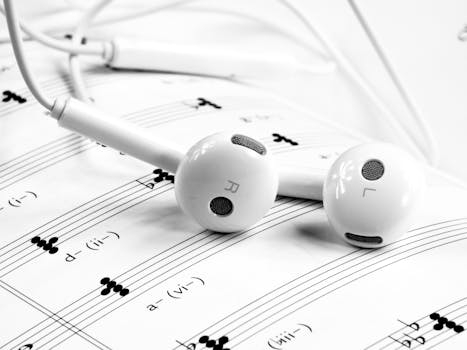
Unlocking Potential Through Assistive Technology
Assistive technology has greatly improved the lives of individuals with disabilities in various aspects, including music. It refers to any device or software that assists individuals in performing tasks that they would otherwise struggle with. In the realm of music, assistive technology serves as a bridge that empowers disabled musicians to overcome barriers and fully express themselves through music.
Adaptive Instruments
One of the primary ways technology has made music accessible for disabled musicians is through the development of adaptive instruments. These instruments are specifically designed to meet the needs of individuals with physical disabilities. For instance, electronic keyboards with touch-sensitive keys that require minimal pressure are more manageable for individuals with limited hand dexterity. Adaptive instruments also include modified bows for string instruments, mouthpieces for wind instruments, and specialized drumsticks for percussionists with limited mobility.
Virtual Instruments and Software
The rise of virtual instruments and music production software has also opened up opportunities for disabled musicians. These tools allow individuals to compose and perform music using only a computer and a few accessories such as a keyboard or a MIDI controller. This means that individuals with physical disabilities that prevent them from playing traditional instruments can still create and perform music using virtual instruments. Moreover, these tools often come with assistive features, such as adjustable interfaces and different control options, making them accessible for a wide range of disabilities.
Enabling Performances Through Assistive Devices
Besides creating and composing music, technology has also played a significant role in facilitating live performances for disabled musicians. Innovations such as sound-to-light, motion-sensitive devices, and wearable technology have allowed disabled musicians to interact with music and perform without traditional instruments. Furthermore, assistive devices such as touch or eye-controlled interfaces have opened up possibilities for individuals with severe physical disabilities to perform live music in ways they never thought possible.
Accessibility in Live Music Venues
Assistive technology has not only impacted disabled musicians’ ability to perform on stage, but it has also played a crucial role in making live music venues more accessible. Thanks to technology, concerts and events can now be made more inclusive and welcoming for individuals with disabilities. This can include features like designated accessible seating, live captioning or sign language interpretation, and audio descriptions for visually impaired attendees.
Technology: A Game-Changer for Disabled Musicians
Technology has undoubtedly broken down numerous barriers for disabled musicians and made it possible for them to participate in the world of music confidently. It has given them a voice and a platform to express themselves without limitations, allowing them to connect with others through music. With continued advancements and efforts towards inclusivity, technology will undoubtedly continue to pave the way for creating a more accessible world for disabled musicians and all individuals alike.
Conclusion
In conclusion, technology has transformed the landscape of music accessibility for disabled musicians. Through adaptive instruments, virtual instruments and software, assistive devices, and improved accessibility in live music events, technology has opened up limitless possibilities for individuals with disabilities. It has not only enabled them to participate in the creation and performance of music but has also fostered a sense of belonging and inclusion. With the ongoing advancements and efforts towards inclusivity, technology will continue to be a powerful tool in making music accessible for disabled musicians and allowing them to share the universal language of music with the world.