The Role of Sugar in Food Science: Beyond Just Sweetness
When we think of sugar, the first thing that comes to mind is its sweet, delectable taste. But beyond its role as a flavor enhancer, sugar plays a crucial role in food science that goes far beyond just adding sweetness to our favorite treats. From creating the perfect texture in baked goods to preserving the shelf life of canned products, sugar is a powerful ingredient with many important functions. In this article, we will explore the different ways in which sugar contributes to the world of food science and why it is an essential component in many of our favorite foods.
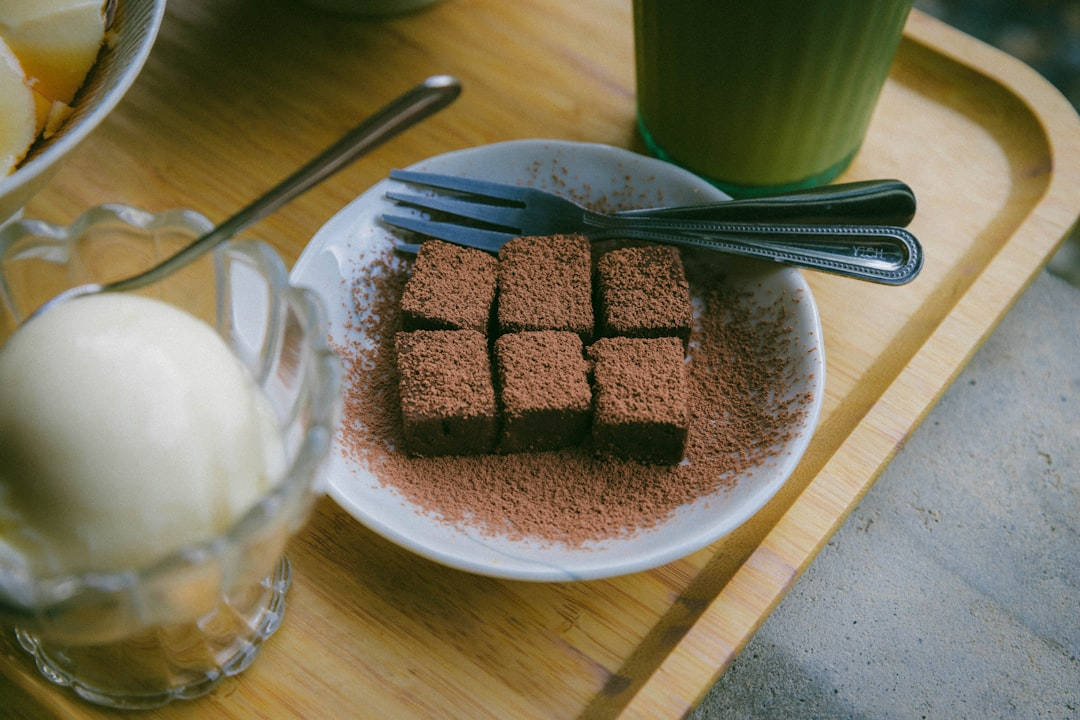
The Science Behind Sugar
To fully understand the role of sugar in food science, we must first delve into its chemical properties. Sugar, also known as sucrose, is a simple carbohydrate made up of two molecules: glucose and fructose. These molecules are linked together in a specific arrangement, making up the characteristic crystalline structure of sugar.
One of the most important functions of sugar in food science is its ability to provide energy. When consumed, sugar is broken down into glucose and fructose, which are then converted into ATP (adenosine triphosphate) – the main source of energy for our cells. This energy is vital for our bodies to carry out various functions, from basic metabolism to physical activities.
The Sweetness Factor
As mentioned earlier, the most well-known role of sugar in food is its ability to add sweetness. Whether it’s in desserts, beverages, or even savory dishes, sugar is commonly used to enhance the flavor profile of food. But how does sugar achieve this? The answer lies in our taste buds.
Our taste buds contain receptors that are sensitive to the presence of sugar, sending signals to the brain when it comes into contact with them. This triggers the release of dopamine – a neurotransmitter responsible for feelings of pleasure and reward. This explains why we often crave sugary foods, as our brains associate them with pleasure and satisfaction.
Creating the Perfect Texture
Aside from its sweet taste, sugar also plays a crucial role in creating the desired texture in many foods. In baking, sugar is often used as a bulking agent, providing structure and stability to cakes, cookies, and other baked goods. The presence of sugar helps create and maintain air bubbles during the baking process, resulting in a light and airy texture that we all love.
In addition to texture, sugar also contributes to the appearance of baked goods. When exposed to heat, sugar caramelizes and gives baked goods their golden-brown color. This not only adds to the visual appeal of the food but also enhances its flavor.
Preserving Shelf Life
Another important function of sugar in food science is its ability to act as a preservative. In many canned and packaged foods, sugar is used as a natural preservative to extend their shelf life. This is because sugar creates an environment that is not suitable for bacteria to thrive, thus preventing spoilage.
Moreover, sugar also helps to keep foods moist and prevents them from drying out. This is especially important in packaged foods, as it ensures that the product remains fresh and appealing to consumers.
The Role of Sugar in Food Science: Beyond Just Sweetness
As we have seen, sugar plays a vital role in food science that goes far beyond its role as a source of sweetness. From providing energy to creating the perfect texture and preserving food, sugar is a multi-functional ingredient that is essential to many of our favorite foods.
However, it is important to note that while sugar is an integral part of our diets, consuming excessive amounts can have negative effects on our health. It is essential to consume sugar in moderation and to opt for natural sources of sugar, such as fruits and honey, instead of processed and refined sugars.
In conclusion, the role of sugar in food science is one that should not be underestimated. It is a powerful ingredient that not only adds sweetness to our foods but also plays a crucial role in creating the perfect texture and preserving their shelf life. So the next time you enjoy a sweet treat, remember that there is more to sugar than just its tempting taste.