Simple Upgrades to Your Home Studio for Better Recordings
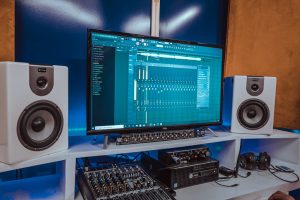
If you’re a music producer or sound engineer, you know that having a well-equipped recording studio can make all the difference in creating high-quality recordings. However, setting up a professional studio can be costly and time-consuming. The good news is, there are simple upgrades you can make to your home studio that will greatly improve your recordings without breaking the bank. In this article, we’ll explore some easy and affordable ways to upgrade your home studio for better recordings.
1. Soundproofing
One of the most important factors for high-quality recordings is a quiet environment. Unwanted noise and outside interference can greatly affect the sound of your recordings. That’s why soundproofing your home studio should be a top priority.
There are various ways to soundproof your studio, such as using acoustic panels, bass traps, or even hanging thick curtains on the walls. These materials can absorb and dampen sound waves, reducing echo and unwanted noise. You can also use noise-cancelling foam to cover windows and doors, making sure external noises don’t disrupt your recordings.
2. Upgrade Your Microphone
When it comes to creating quality recordings, having a good microphone is crucial. If you’ve been using a budget-friendly mic, it might be time to upgrade to a higher quality one. A good microphone can capture the subtle nuances of your sound and produce a cleaner, more professional recording.
There are many options available on the market, depending on your budget and recording needs. Do some research and read reviews to find the best microphone for your home studio. Remember, investing in a good microphone is an investment in the quality of your recordings.
3. Add a Pop Filter
If you’re using a condenser microphone, you’ve probably encountered the problem of plosives – the popping sounds caused by words with hard consonants like “p” and “b”. This is where a pop filter comes in handy.
A pop filter is a simple yet effective tool that reduces the plosives in your recordings. It’s usually a round-shaped mesh that you attach to your microphone. The mesh acts as a barrier and deflects the air from your mouth, eliminating the popping sounds. You can easily find affordable pop filters online or at your local music store.
4. Invest in a Headphone Amplifier
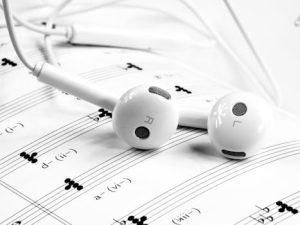
As a music producer, having a good set of headphones is crucial for monitoring, mixing, and mastering your recordings. However, if you’re using your regular headphones, they might not have enough power to accurately reproduce the sound. This is where a headphone amplifier comes in.
A headphone amplifier is a device that boosts the audio signal going into your headphones, providing a much clearer and accurate sound. It also allows for multiple headphone outputs, perfect for recording with other musicians. With a headphone amplifier, you’ll be able to hear every detail in your recordings and make better mixing decisions.
5. Use Quality Cables
Although it may not seem like a significant factor, the quality of your cables can greatly affect the sound of your recordings. Using low-quality or damaged cables can result in unwanted noise, interference, and reduced sound quality.
Investing in good quality cables, such as XLR and TRS cables, can make a noticeable difference in your recordings. These cables are designed to transmit audio signals with minimal noise and interference, resulting in a cleaner and more professional sound.
6. Optimize Your Room’s Acoustics
The acoustics of your recording space can have a huge impact on the sound of your recordings. If you have a spare room or a corner in your house that you use as your home studio, chances are the room’s acoustics are not ideal. In this case, you’ll need to optimize the room’s acoustics to achieve a more natural and balanced sound.
You can do this by adding diffusers and absorbers to your walls, adjusting the placement of your speakers, and using a room correction software like Sonarworks. This will help eliminate unwanted reflections and echoes, resulting in a more accurate monitoring environment.
Conclusion
Upgrading your home studio doesn’t have to be expensive or complicated. With these simple upgrades, you can significantly improve the quality of your recordings without breaking the bank. Remember, a well-equipped recording space can make all the difference in creating professional-sounding recordings.
So, if you’re looking to take your recordings to the next level, try implementing these upgrades and see the difference it makes. Happy recording!