The Importance of Checking for Past Flood or Fire Damage
Natural disasters such as floods and fires can strike at any time, leaving behind devastating damage. If you are a homeowner or a potential buyer, one of the most important things you should consider is checking for past flood or fire damage on a property. Many people underestimate the importance of this step, but the truth is, ignoring it can have serious consequences. In this article, we will discuss the importance of checking for past flood or fire damage, and why it should be a crucial part of your property inspection.
The Potential Risks of Buying a Property with Past Flood or Fire Damage
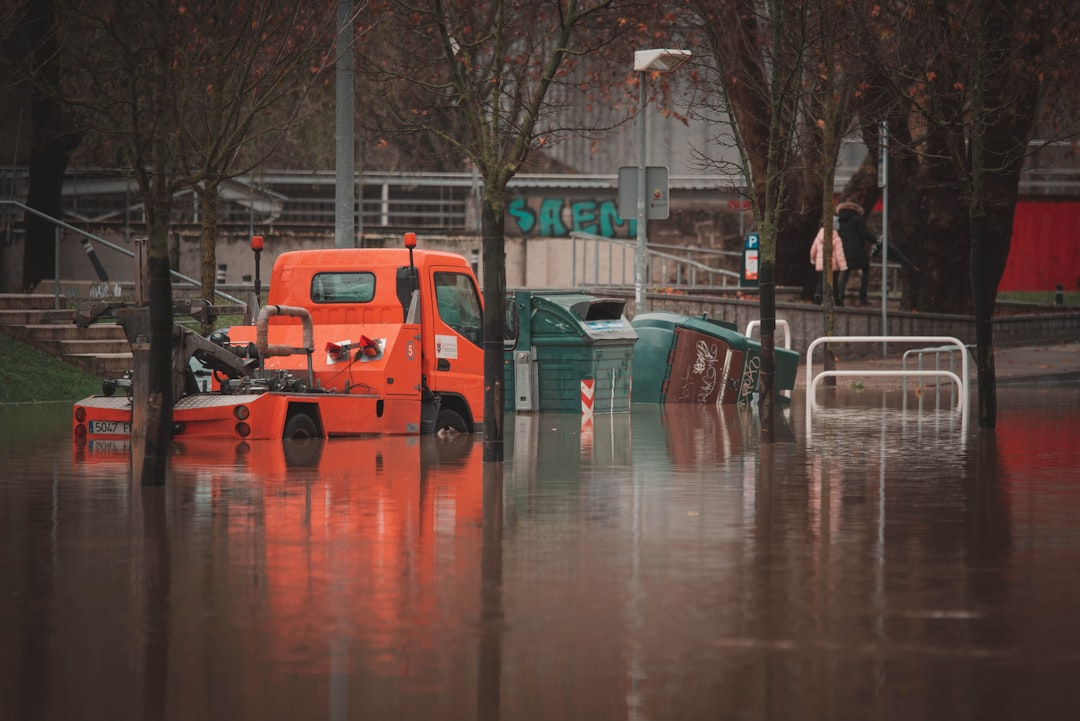
Before we dive into why checking for past flood or fire damage is essential, let’s understand the potential risks associated with buying a property that has been affected by these disasters. It’s not just about the immediate damage that the disaster itself may have caused, but also the long-lasting effects that can have significant implications in the future.
Structural Damage
Flood and fire damage can weaken a property’s structure, compromising its stability and integrity. This damage can be challenging to detect, and if not addressed, it can lead to safety hazards or even catastrophic collapse. Some common signs of structural damage include cracks in the walls or foundation, sloping or uneven floors, and water stains on walls or ceilings.
Mold Growth
When a property is exposed to water damage, whether it’s from a flood or a fire, there’s a high risk of mold growth. Mold can grow within 24 to 48 hours after the initial exposure, and it can spread quickly, making it challenging to eradicate. Not only can mold cause serious health issues, but it can also lead to significant structural damage if left unchecked.
Electrical and Plumbing Issues
Flood and fire damage can cause severe damage to a property’s electrical and plumbing systems. In the case of a flood, water can seep into electrical outlets and wires, causing malfunctions and even electrical fires. Similarly, fire damage can melt pipes, leading to leaks and water damage. These issues can not only be costly to repair but can also pose serious safety risks.
The Importance of Checking for Past Flood or Fire Damage
Now that we understand the potential risks, it’s clear that checking for past flood or fire damage should be a top priority when buying a property. Here are a few reasons why it’s critical:
To Avoid Future Expenses and Hassles
If a property has been affected by a flood or fire in the past, it’s essential to know the extent of the damage and any repairs that have been made. This knowledge will help you determine the potential for future repairs and expenses, allowing you to make an informed decision. It will also save you from the hassle of dealing with unexpected issues that may arise due to previous damage.
To Ensure Your Safety and the Safety of Others
As mentioned earlier, past flood or fire damage can have safety implications for homeowners and their families. By checking for any structural damage or potential hazards, you can take the necessary precautions to protect yourself and others. It’s also essential to check for proper permits and repairs made by licensed professionals to ensure they were done adequately and safely.
To Negotiate a Better Price
Buying a property with past flood or fire damage is a significant risk, and it’s essential to factor in these risks when negotiating the price. Knowledge of the property’s history and any necessary repairs can give you leverage to negotiate a lower price with the seller. It’s always better to be aware of the property’s condition and make an informed decision rather than regret it later.
In Conclusion
In conclusion, checking for past flood or fire damage is crucial for the safety, financial, and legal aspects of buying a property. It’s a step that should never be overlooked, and it’s always better to be safe than sorry. If you are unsure of how to check for potential damage or its extent, it’s best to hire a professional home inspector to give you a detailed report. Investing in a thorough inspection can save you from future headaches and expenses, making it worth every penny.