The Importance of Understanding Different Leather Tanning Processes
If you’re a leather enthusiast, you probably know how intriguing the tanning process can be. It’s what transforms animal hides into the beautiful, supple material we use to make our favorite leather products. But did you know that there are actually different types of leather tanning processes? That’s right, not all leather is created equal. Understanding the various methods of tanning is not only important for choosing the right leather for your specific needs, but it also allows for a deeper appreciation of the craft and industry as a whole. In this article, we’ll dive into the importance of understanding different leather tanning processes and how it affects the quality, characteristics, and sustainability of leather.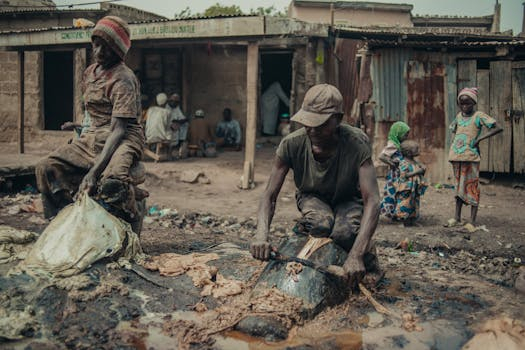
The Basics of Leather Tanning
Before we delve into the different tanning processes, let’s first have a quick overview of what tanning is and why it’s necessary. Tanning is the process of treating animal hides to turn them into leather, making them more durable, resistant to water, and flexible for various uses. Without tanning, animal skins would eventually rot and be unusable. The tanning process also alters the chemical structure of the hide, making it less susceptible to microbial attack and creating the recognizable leather smell.
Vegetable Tanning Method
The oldest and arguably the most traditional method of tanning is the vegetable tanning process. As the name suggests, this method uses natural materials, such as tree bark and plant extracts, to tan the leather. One of the key advantages of using this method is that it produces a strong and durable leather with a natural color and unique character. The process can take several weeks and requires skilled artisans to adjust the tanning baths depending on the hide’s thickness and quality.
Chrome Tanning Method
The chrome tanning method was first introduced in the 1850s and quickly became the most widely used tanning process. This method uses chromium salts and other chemicals to tan the leather quickly, usually within a day or two. The resulting leather is supple, soft, and has a more uniform color. It’s also more resistant to heat and water compared to vegetable-tanned leather. However, this method can have negative effects on the environment and is not as sustainable as the vegetable tanning process.
Synthetic Tanning Method
Synthetic tanning is a newer method that uses synthetic materials, such as acrylics, polyurethanes, and resins to tan the leather. This method is known for its quick tanning time, usually within a few hours, and produces leather with a consistent color, texture, and feel. However, the use of synthetic materials has raised concerns about the chemicals’ safety and environmental impact, making this method not as popular in the leather industry.
The Importance of Understanding Different Tanning Processes
As consumers, understanding the different tanning processes is important because it allows us to make informed decisions about the leather products we purchase. Depending on our needs and preferences, we can choose the type of leather that best suits our lifestyle. For example, if you’re looking for a more eco-friendly option, vegetable-tanned leather might be the way to go. But if you need leather that’s water-resistant and can withstand tough conditions, chrome-tanned leather might be a better choice.
Furthermore, understanding the tanning process also gives us a deeper appreciation of the skill and craftsmanship that goes into producing high-quality leather. It’s not just about using the right chemicals, but it also requires knowledge and experience to know how long to tan the leather and how to adjust the tanning process for different types of hides. This level of expertise is what sets apart artisanal leather from mass-produced ones.
Lastly, knowing the different tanning processes can also contribute to our efforts towards sustainability. With a rise in consumer awareness, many tanneries are starting to adopt more environmentally-friendly practices, such as using vegetable-based dyes and reducing water and chemical usage. As consumers, we can support these efforts by choosing leather that’s produced through sustainable tanning methods.
In Conclusion
In conclusion, understanding different leather tanning processes is crucial for both consumers and the leather industry. It allows us to make informed decisions when purchasing leather products, appreciate the craft and skill involved in tanning, and support sustainable practices. As leather enthusiasts, let’s continue to educate ourselves on the various methods of tanning and contribute to a more sustainable future for the industry.