Understanding the Principles of Universal Design in Homes
Universal Design is a concept that has gained popularity in recent years for its potential to make homes more accessible and practical for everyone. It is based on the idea that all individuals, regardless of age, ability, or disability, should have access to the same level of safety, functionality, and convenience in their living spaces. In this article, we will explore the principles of Universal Design in homes and how they can benefit not only those with disabilities, but also the aging population and families with young children.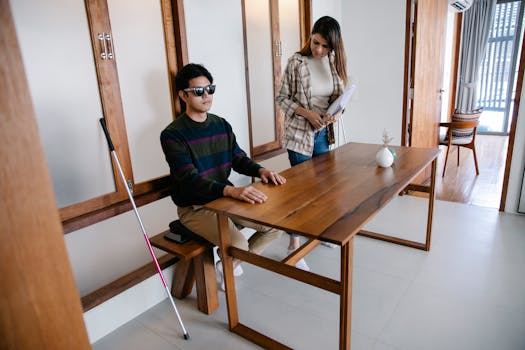
What is Universal Design?
Universal Design is a design approach that aims to create products, spaces, and environments that can be used by all individuals, regardless of their physical abilities or limitations. It is about designing with the understanding that everyone is different, and thus, everyone has different needs. In the context of housing, Universal Design focuses on creating homes that are safe, comfortable, and practical for people of all ages and abilities.
The Seven Principles of Universal Design
The concept of Universal Design was first introduced in the 1980s by architect Ronald Mace. He proposed seven principles that guide the implementation of Universal Design in various settings, including homes. These principles are:
1. Equitable Use
This principle states that the design should be useful and accessible to people with diverse abilities. This means that homes should be designed to be safe and convenient for everyone, regardless of their physical abilities, age, or size.
2. Flexibility in Use
The design should accommodate a wide range of individual preferences and abilities. This means that homes should have features that can be easily adapted or adjusted to meet the specific needs of different individuals.
3. Simple and Intuitive Use
The design should be easy to understand and use, regardless of the user’s experience, knowledge, language skills, or concentration level. This means that homes should have features that are self-explanatory and require minimal effort to use.
4. Perceptible Information
The design should provide adequate and clear information to the user, regardless of their sensory abilities. This means that homes should have features that can be easily seen, heard, or felt by all individuals.
5. Tolerance for Error
The design should minimize the risk of accidents or unintentional actions. This means that homes should be designed to be safe, even if a person makes a mistake or has limited abilities.
6. Low Physical Effort
The design should be easy to use without causing fatigue or strain. This means that homes should be designed with features that require minimal physical effort to operate.
7. Size and Space for Approach and Use
The design should accommodate a wide range of body sizes and mobility. This means that homes should have features and spaces that can be accessed and used comfortably by people with different physical abilities and body sizes.
The Benefits of Universal Design in Homes
Adopting Universal Design principles in homes can bring various benefits, not only to people with disabilities but also to the wider population. Some of these benefits include:
1. Increased Accessibility
By implementing Universal Design, homes can become more accessible to people who use wheelchairs, walkers, or other mobility aids. This can also make it easier for older adults with reduced mobility to move around their homes.
2. Enhanced Safety
Universal Design features such as non-slip flooring, well-lit spaces, and grab bars can improve safety for everyone living in the home, reducing the risk of accidents and injuries.
3. Greater Comfort
Universal Design can make homes more comfortable and convenient for all individuals, regardless of their age or ability. This can also help in creating a more inclusive and welcoming environment for family members and guests.
4. Aging in Place
The implementation of Universal Design can make homes more suitable for aging in place. This means that older adults can continue to live independently in their homes as they age, without the need for major modifications.
5. Increased Property Value
Homes that are designed with Universal Design principles in mind can attract a wider range of potential buyers, making them more desirable in the housing market. This can ultimately result in a higher property value.
In Conclusion
Universal Design is not only about making homes accessible for people with disabilities, but it is also about creating spaces that are practical and comfortable for everyone, regardless of their age or abilities. By incorporating the principles of Universal Design, homes can become safer, more accommodating, and more enjoyable for all individuals to live in. Therefore, it is essential to consider Universal Design when building or renovating a home to ensure inclusivity and accessibility for all.