Decoding Culinary Terms: Understanding Braise, Roast, and Sauté
Being able to decode culinary terms is essential for any home cook or aspiring chef. In order to create delicious and well-executed meals, it is crucial to understand the various cooking methods and techniques. Among the most commonly used cooking methods are braising, roasting, and sautéing. While these terms may seem straightforward, each of them produces different results and requires a unique approach. So, let’s break down these culinary terms and understand the ins and outs of braising, roasting, and sautéing.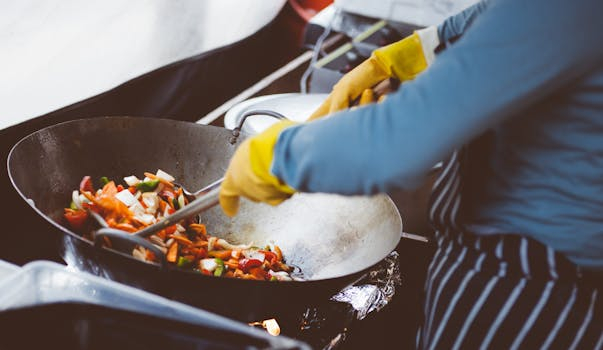
Braising
Braising is a cooking method that involves browning food in fat, such as oil or butter, and then slowly cooking it in a small amount of liquid. This method is popular for tougher cuts of meat, like beef or pork, as it tenderizes the meat and adds flavor. To braise, you will need a heavy-bottomed pan or Dutch oven with a tight-fitting lid. The first step is to brown the meat in the hot fat until it has a nice golden crust on all sides. Next, you can add aromatics, such as onions, garlic, and herbs, to the pan and cook until they are softened. Then, pour in the liquid, which can be broth, wine, or a combination of both, and bring it to a simmer. Finally, cover the pan and let the meat cook on low heat until it is tender and the liquid has reduced to a flavorful sauce.
Tips for Braising
– To avoid overcrowding the pan, cook the meat in batches.
– Use a pan with a tight-fitting lid to prevent the steam from escaping.
– Make sure there is enough liquid in the pan to cover at least one-third of the meat.
– You can add vegetables, such as carrots, potatoes, or mushrooms, to the pan in the last hour of cooking to make it a complete one-pot meal.
Roasting
Roasting is a dry heat cooking method that is commonly used for cooking large cuts of meat, such as whole chicken, turkey, or beef roasts. This method allows the meat to cook at high heat, resulting in a crispy and caramelized exterior while keeping the inside moist and tender. To roast, place the meat on a rack in a roasting pan and season it with salt, pepper, and any other desired spices. Roast the meat in a preheated oven at a high temperature for the first 20 minutes, then lower the heat and continue cooking until the desired doneness is achieved.
Tips for Roasting
– Trussing (tying) the meat with kitchen twine improves its shape and makes it cook evenly.
– Let the meat rest for at least 15 minutes before carving to allow the juices to redistribute and avoid ending up with a dry and tough roast.
– Use a meat thermometer to accurately determine when the meat is done. For example, a whole chicken should register a minimum of 165°F in the thickest part of the thigh.
Sautéing
Sautéing is a quick cooking method that involves cooking small pieces of food in a shallow pan with a small amount of fat over high heat. This technique is often used for cooking vegetables because it helps them retain their color, texture, and nutrients. It is also a great way to cook thin cuts of meat, such as pork chops or chicken breasts. To sauté, heat a small amount of oil or butter in a pan over medium-high heat. Once the pan is hot, add the food in a single layer without overcrowding the pan. Cook for a few minutes, depending on the thickness of the food, and then flip it to cook the other side.
Tips for Sautéing
– Cut the food into equal-sized pieces for even and quick cooking.
– Do not overcrowd the pan to ensure the food gets properly seared and does not steam.
– Use a non-stick pan or a well-seasoned cast-iron skillet for easy flipping and minimal sticking.
– Add aromatics, such as garlic or ginger, to the pan for extra flavor.
Decoding culinary terms like braising, roasting, and sautéing not only helps you understand the recipes but also allows you to experiment and get creative in the kitchen. With these techniques in your culinary arsenal, you can whip up delicious and impressive meals for yourself and your loved ones. Happy cooking!