The Essential Guide to Mastering the Art of Audio Mixing
Music is an integral part of our lives. It sets the mood, evokes emotions, and creates memories. And at the heart of every great music track is a skillfully mixed audio. Audio mixing is an art that brings together all the individual elements of a song to create a cohesive and polished final product. Whether you are an aspiring musician, a budding producer, or a seasoned audio engineer, mastering the art of audio mixing is essential to taking your music to the next level. In this guide, we will go through the essential techniques and tips to help you master the art of audio mixing.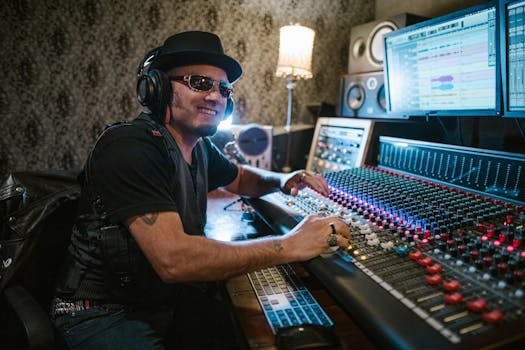
Understanding the Basics of Audio Mixing
Before we dive into the tips and techniques, it’s crucial to understand the basics of audio mixing. Audio mixing is the process of combining individual tracks, adjusting their levels, and applying effects to achieve a harmonious and balanced sound. It involves a combination of technical knowledge, creative skills, and a good ear for music.
The goal of audio mixing is to create a clear and dynamic sound where each element of the track is well-defined and stands out. This involves careful balancing of frequencies, panning, and adding effects to enhance the overall sound. Now that we have a basic understanding let’s explore the steps to master the art of audio mixing.
Step 1: Pre-Mix Your Tracks
Before you start mixing, it’s essential to ensure that your tracks are well recorded and organized. This includes cleaning up any unwanted noise or clicks and making sure the tracks are in sync. It’s also important to label each track and color code them for easy identification.
Next, make sure that each track has a clear purpose. For instance, if you have multiple guitar tracks, decide which one will be the main riff and which one will provide support. This will make the mixing process more manageable and efficient.
Step 2: Create a Solid Foundation with EQ
Equalization is one of the most crucial steps in audio mixing. It involves balancing the frequency content of each track to avoid any clashes and achieve a cohesive sound. The goal is to create space for every element of the track so that they can be heard clearly.
Start by removing any harsh or unwanted frequencies from each track using a high-pass filter. Then, use a low-pass filter to shape the low-end frequencies of each track. This will create a solid foundation for your mix. Next, use parametric EQ to boost or cut specific frequencies to make each track sound distinct and well-defined.
Step 3: Use Panning for Spatial Clarity
Panning is the process of placing each track in the stereo field. It’s a powerful tool that helps create a sense of space and depth in your mix. You can use panning to make your mix sound wider and more dynamic.
Place your main elements, such as lead vocals and kick drum, in the center and pan supporting elements to the sides. This will create a balance and prevent the mix from sounding cluttered. Experiment with different panning positions to achieve the perfect balance.
Step 4: Add Effects to Enhance the Sound
While it’s essential to use effects sparingly, they can add a lot of depth and character to your mix. Delays, reverbs, and other time-based effects can create a sense of dimension, while dynamic processors such as compressors can help even out the levels of different tracks.
The key to using effects is to enhance the natural sound of each element without overpowering it. Play around with different settings and listen carefully to how each effect is affecting the overall sound of your mix.
Step 5: Use Automation for a Dynamic Mix
Automation is the process of adjusting levels, panning, and other parameters over time to add movement and dynamics to your mix. It’s a great way to create interest and keep the listener engaged throughout the song.
Automate the levels of individual tracks to ensure that the most crucial elements of your mix are always prominent. You can also use automation to create buildups and breakdowns and add tension and release to your mix.
Step 6: Trust Your Ears and Get Feedback
One of the most important tips for audio mixing is to trust your ears. While there are certain guidelines and techniques to follow, ultimately, it’s your ears that will tell you whether something sounds good or not. Take breaks while mixing, and come back with fresh ears to make sure you are not getting too accustomed to a certain sound.
Lastly, get feedback from others. Send your mix to friends or colleagues and ask for their honest opinions. They may catch something that you missed or point out if something needs to be tweaked.
Final Thoughts
Mastering the art of audio mixing is an ongoing process. It takes time, practice, and a lot of experimenting to achieve the perfect mix. Use the tips and techniques in this guide as a starting point, and don’t be afraid to try new things and develop your style. With dedication and perseverance, you can become a master of audio mixing and take your music to new heights.