Mastering Knife Skills: Chopping, Slicing, and Dicing Confidently
Have you ever watched a chef expertly chop, slice, and dice vegetables on TV and wished you had the same skills in the kitchen? You’re not alone. Many of us struggle with basic knife skills, often resorting to using dull knives or buying pre-cut ingredients. But the truth is, mastering knife skills is crucial for anyone wanting to confidently cook delicious meals at home. Not only will it save you time and frustration, but it will also elevate your cooking game. In this article, we’ll delve into the art of chopping, slicing, and dicing with precision and confidence.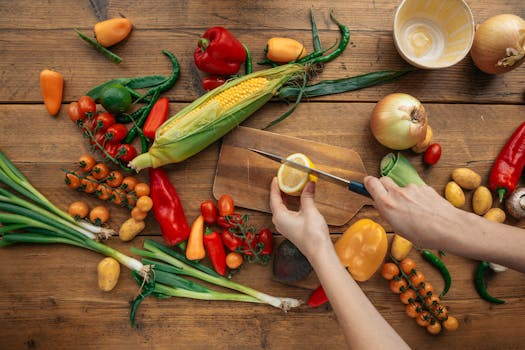
Why Knife Skills Matter
Before we start delving into different techniques, let’s first understand why knife skills are important. Beyond looking impressive, having good knife skills can greatly improve the taste and texture of your dishes. When ingredients are cut uniformly, they cook evenly, producing more flavorful and visually appealing dishes. Additionally, pre-cut ingredients from the store are often more expensive and may not be as fresh as cutting them yourself. Plus, using sharp and proper techniques can reduce the risk of cutting yourself while cooking.
The Different Types of Knives
Chef’s Knife
The chef’s knife is a versatile and essential tool for kitchen prep work. With a curved blade that tapers to a point, it allows for rocking motion for efficient chopping, slicing, and dicing. A chef’s knife is typically 8-10 inches long, with the most popular size being 8 inches. When choosing a chef’s knife, look for one with a comfortable grip, a sturdy and sharp blade, and good balance.
Paring Knife
A paring knife is a smaller knife with a pointed tip and a sharp, straight edge. It is ideal for tasks that require precision, such as peeling, coring, and trimming small fruits and vegetables.
Bread Knife
A bread knife has a long, serrated blade that is perfect for slicing through crusty bread without crushing it. It can also be used for slicing other soft and delicate foods, such as tomatoes or cakes.
The Basic Knife Techniques
Chopping
Chopping involves cutting larger ingredients into smaller pieces, usually around ¾ inch cubes. To chop, hold the knife with your dominant hand and grip the handle with your other hand to guide the blade. Keep the tip of the knife in contact with the cutting board and use a rocking motion to move the blade up and down.
Slicing
Slicing is cutting ingredients into long, thin pieces. To slice, hold the knife with your dominant hand and rest your non-dominant hand on top of the blade, using your fingertips to guide the knife. Keep the tip of the knife on the cutting board and use a smooth, fluid motion to create thin, even slices.
Dicing
Dicing involves cutting ingredients into small cubes, usually around ¼ inch. To dice, start by cutting the ingredient into slices, then turn the slices and cut them into cubes. This technique requires good knife skills and may take some practice to perfect.
Other Techniques to Master
Aside from the basic techniques mentioned above, there are other knife skills that can make cooking tasks easier and more efficient. These include julienning (cutting into matchstick or thin strips), chiffonading (cutting into thin strips or ribbons), and mincing (finely chopping). Each technique requires a different grip and motion, so it’s essential to practice and find what works best for you.
Tips for Better Knife Skills
Keep Your Knives Sharp
A dull knife not only makes cutting more challenging but also increases the risk of slipping and injuring yourself. Invest in a good knife sharpener and regularly sharpen your knives to ensure they are always sharp and ready to use.
Choose the Right Cutting Board
Avoid using glass cutting boards as they can dull your knives quickly. Instead, opt for wooden or plastic cutting boards that are gentle on the blade. Make sure to also have a separate cutting board for raw meat to prevent cross-contamination.
Practice Safe Techniques
Always keep your fingers away from the edge of the blade and curl them under when holding ingredients. This will help prevent cuts if the knife slips. Also, always cut away from your body and use a stable surface to prevent the cutting board from sliding.
Take Your Time
Don’t rush when using knives, especially if you are still new to it. Take your time to practice and master each technique before moving on to more challenging tasks. With practice, you’ll gradually become faster and more confident with your knife skills.
In Conclusion
Mastering knife skills may seem daunting, but with practice and the right techniques, anyone can become proficient in the kitchen. By understanding the different types of knives, learning the basic techniques, and following safety guidelines, you’ll be able to confidently chop, slice, and dice any ingredient like a pro. So don’t be afraid to get your hands on a sharp knife and start practicing – your taste buds and kitchen skills will thank you.